

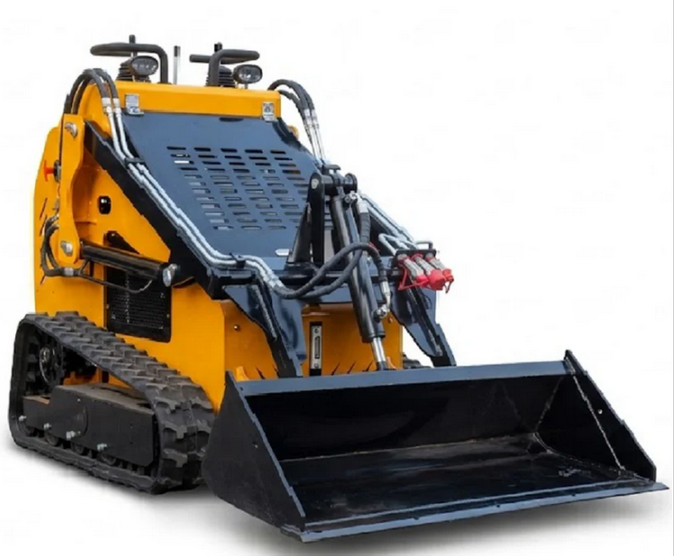
If you are comparing mini skid steer loaders for sale for landscaping, farm work, material handling, or light site preparation, choosing the right machine starts with understanding your terrain, lift needs, and attachment plans. MMS’s current collection includes seven compact stand-on models with both wheel and track designs, 13.5 HP and 23 HP options, and a published working load capacity range of 500 to 1,600 lbs. The brand also highlights a universal quick-connect mounting plate, free shipping, a 1-year warranty, and lifetime technical support. That mix makes this lineup worth considering for buyers who want the flexibility of a mini skid loader or the ground-friendly traction of a mini track loader without stepping up to a much larger machine.
What a mini skid steer does best
A compact stand-on loader is built for jobs where space is limited but productivity still matters. Instead of bringing in a full-size machine, many buyers choose this category for backyard grading, mulch and soil moving, trench backfilling, barn cleanup, light demolition prep, and attachment-driven tasks around homes, farms, parks, and small commercial sites. MMS specifically positions its collection for home use, landscaping, and small excavation work, while its track model pages also point to applications in municipal work, warehouses, docks, orchards, gardens, and parks.
The real value is versatility. A stand-on platform gives the operator a good view of the work area, and the quick-connect system makes it easier to switch tools for different jobs. That matters when one machine may need to move from bucket work in the morning to cleanup or specialty attachment use later in the day. MMS says its collection includes a universal quick-connect mounting plate and also showcases separate skid steer attachments on the same collection page.
Why buyers like this equipment category
For many small contractors and property owners, the biggest advantage is efficiency without bulk. These units are easier to store, easier to transport than larger construction equipment, and practical for tighter jobsites where turning space is limited. MMS’s wheel model page emphasizes easy joystick operation, compact dimensions, and maneuverability in narrow applications, while the track model page highlights confined-area use and quick work-device replacement on site.
Another reason this category is attractive is the spread of available configurations. On the MMS collection page, buyers can filter by operating weight, horsepower, and walking method, which currently includes wheel and track versions. The visible range covers operating weights from about 705 lb to 948 lb in the filters, with 13.5 HP and 23 HP options available in the lineup.
Wheel loader or mini track loader?
One of the most important buying decisions is whether you need wheels or tracks.
A wheel-based machine usually makes sense when you want faster travel on firmer surfaces, straightforward yard work, and a simpler setup for general property maintenance. MMS’s MS320L product page specifically says the tire-based design travels faster and improves work efficiency, which fits buyers working on stable ground or moving frequently across a site.
A mini track loader is often the better fit when traction, stability, and comfort on softer or rougher terrain matter more. MMS’s MS430Y page says its upgraded tracks are designed for strong anti-slip performance, light vibration, lower noise, and better shock absorption, while also noting suitability for a wide range of narrow-site operations. For buyers working on loose soil, uneven ground, orchards, landscaping zones, or mixed outdoor conditions, that is usually the more confidence-inspiring option.
In simple terms:
-
Choose wheels if speed, firm surfaces, and straightforward property work are your priority.
-
Choose tracks if you expect softer ground, more variable terrain, and a stronger focus on traction and ride stability.
What MMS currently offers in this range
The MMS collection is not just one machine with minor variations. It is a small but useful lineup with multiple horsepower levels, wheel and track choices, and several price points. The collection page currently lists seven products, with sale pricing visible across much of the range.
Some of the most visible current models include:
-
MS320L — 13.5 HP stand-on wheel model, listed from $4,499.
-
MS380T — 23 HP tracked model, listed at $5,599.
-
MS380L — 23 HP wheel model, listed at $5,599.
-
MS480T — 23 HP tracked model, listed at $5,999.
-
MS430Y — 23 HP tracked model, listed from $6,499.
That spread gives buyers room to shop by budget and application rather than forcing a one-size-fits-all purchase. If you need an entry-level unit for lighter use, the 13.5 HP wheel model is the lowest currently visible active starting price. If you need more hydraulic and lifting capability, the 23 HP track options sit higher in the range and appear positioned for heavier-duty use.
Key features worth paying attention to
1. Power and lifting capacity
Horsepower matters, but it should always be matched to the kind of material and attachment work you expect to do. MMS’s collection states a working load capacity range of 500 to 1,600 lbs across the series. On individual pages, the MS320L is listed with a 13.5 HP engine and an operating load lifting force of 250 kg, while the MS430Y is listed with 23 HP and a carrying capacity of 430 kg. That difference is significant if your work includes heavier repeated lifting.
2. Size and maneuverability
Compact dimensions are a major selling point in this category. The MS320L page highlights operation in narrow places, while the MS430Y page describes easy maneuvering in confined areas. That is valuable for residential access, side yards, workshops, small barns, and other spaces where larger equipment becomes awkward or inefficient.
3. Attachments and quick switching
Versatility often decides whether a machine keeps earning its place after the initial purchase. MMS says its lineup uses a universal quick-connect mounting plate and promotes compatible attachments through its collection and attachment catalog. For many buyers, that is what turns a loader into a year-round machine instead of a single-purpose purchase.
4. Support and delivery
Support details can matter just as much as specs. MMS repeatedly highlights free U.S. shipping, a 1-year warranty, lifetime tech support, and the option for free unloading service if the buyer does not have a forklift. For first-time equipment buyers, those practical details can reduce friction after checkout.
How to choose the right model for your work
Before you buy, think less about the machine name and more about the job pattern.
If your work is mostly residential cleanup, mulch, gravel, light dirt movement, and quick trips across firm ground, a lower-cost wheel model may be enough. The current MS320L, for example, is positioned as a cost-effective 13.5 HP option with faster travel from its tire-based design.
If your jobs involve softer surfaces, more demanding traction, or steadier outdoor performance in landscaping and site work, a 23 HP tracked unit may be the smarter long-term investment. MMS’s MS430Y emphasizes upgraded tracks, wide application use, a sturdy dual lifting arm, and stronger performance numbers than the entry model.
A useful buying checklist looks like this:
-
What material will you move most often: mulch, soil, gravel, feed, debris, or tools?
-
Will you work mainly on hard, flat surfaces or mixed and softer ground?
-
Do you need a basic bucket machine, or will you rely on multiple attachments?
-
How tight are your access points?
-
Will the machine be used occasionally, weekly, or every working day?
-
Is your budget better suited to a starter machine or a more capable long-term unit?
Those answers usually point you toward the right balance of power, traction, and price.
Best use cases for these compact machines
This equipment class is especially useful for:
-
Landscaping and yard preparation
-
Farm and orchard material handling
-
Property maintenance
-
Warehouse and workshop movement
-
Park and garden upkeep
-
Light excavation support work
-
Small-site cleanup and debris handling
MMS directly mentions home use, landscaping, small excavation work, and narrow-site applications such as municipal engineering, factories, warehouses, docks, farms, orchards, gardens, and parks. That breadth is one reason compact stand-on loaders continue to attract interest from both professionals and hands-on property owners.
What makes this lineup appealing to practical buyers
Many equipment pages focus only on big promises, but this collection is easier to shop because the basics are visible upfront. Buyers can see the product count, filter by horsepower and walking method, compare prices, and move between wheel and track options quickly. The product pages also surface operating details like shipping, warranty support, engine type, and downloadable manuals.
That kind of transparency helps people shop with more confidence. Instead of guessing whether a compact unit fits their workload, buyers can compare a lower-cost wheel model against stronger 23 HP tracked options and make a decision based on use case, not just impulse. For anyone browsing mini skid steer loaders for sale, that is a much better buying experience than landing on a page with only vague specs and no clear lineup.
FAQ
What is the difference between a mini skid loader and a larger skid steer?
A mini skid loader is built for tighter access, lighter to medium-duty work, and easier movement around smaller jobsites. It is often the better choice when space is limited and you do not need the size or weight of a full-size machine.
When should I choose a mini track loader instead of a wheel model?
A mini track loader is usually the better fit when you want stronger traction, smoother performance on softer ground, and better confidence on uneven terrain. Wheel models are often more attractive when speed on firm surfaces matters more.
Are there different power levels available in the MMS collection?
Yes. The current collection shows both 13.5 HP and 23 HP options, along with wheel and track versions.
Do these machines support attachments?
Yes. MMS says its lineup uses a universal quick-connect mounting plate and also promotes separate attachment options for skid steer use.
What should I look for when comparing mini skid steer loaders for sale?
Focus on horsepower, lift capacity, terrain type, attachment needs, operating weight, support, and delivery details. A lower entry price is helpful, but the best machine is the one that matches your actual workload and ground conditions.
Conclusion
Choosing the right compact loader is really about matching the machine to your daily work. If you need a value-focused setup for firm surfaces and lighter jobs, a wheel model may be enough. If you need better traction, more capability, and stronger site confidence, a tracked model is often worth the extra spend. MMS’s current collection gives buyers a useful range to compare, from entry-level 13.5 HP machines to stronger 23 HP units, with attachment flexibility, published load ranges, and support details clearly highlighted. For shoppers exploring mini skid steer options, the smartest move is to compare terrain, lifting demands, and long-term use before choosing the machine that will serve you best